
Managing a Mobile Workforce: Tips for Field Service Businesses
Running a field service business in Australia means juggling crews across multiple job sites, tight schedules, and customer expectations all at once. Whether you're managing a team of tradies or growing your home service operation, the right systems can make all the difference. Discover practical strategies to keep your mobile workforce organised, productive, and profitable.
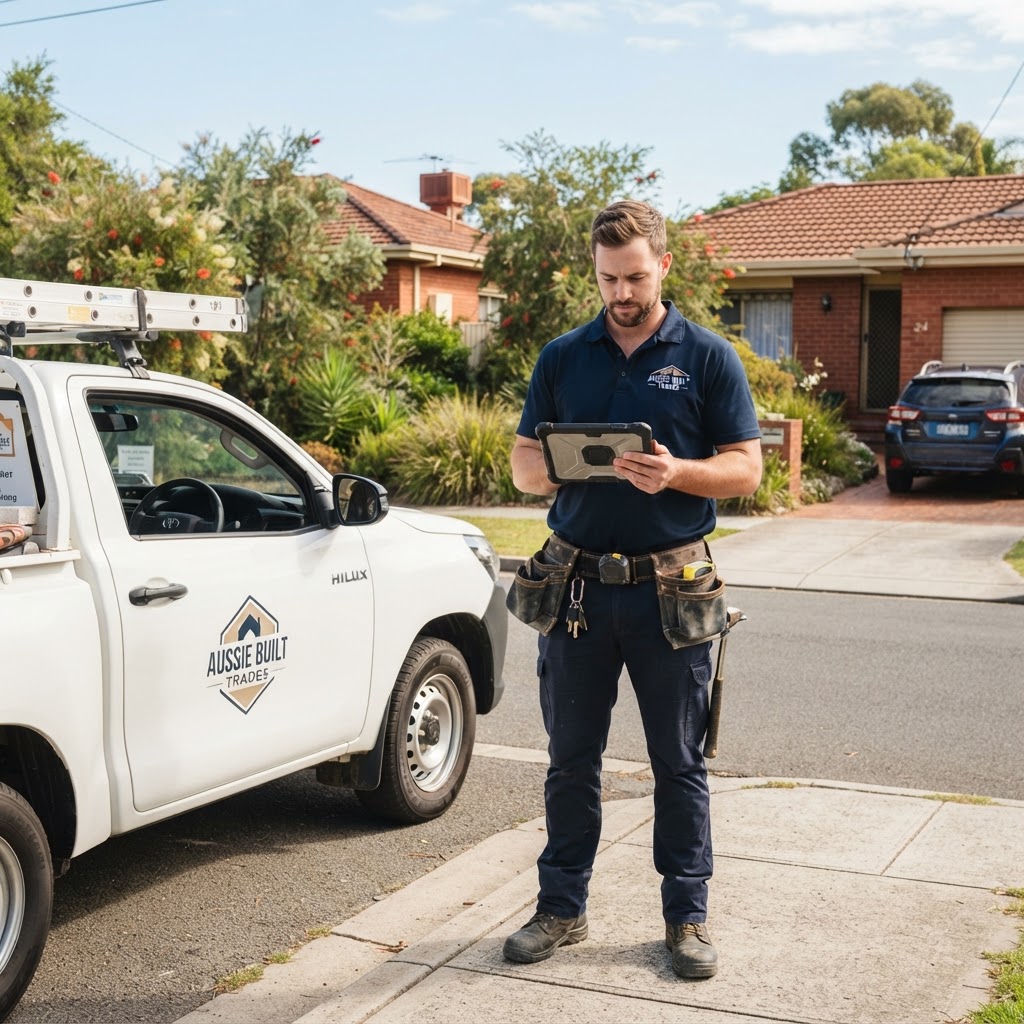
Managing a Mobile Workforce: Tips for Field Service Businesses
Running a field service business means your team is scattered across suburbs every single day. You're not standing over their shoulder, and that's exactly what makes managing a mobile workforce one of the hardest parts of the job.
If you're an electrician in Melbourne with four guys on the road, or a cleaning company in Sydney juggling 12 staff across different postcodes, the same problems come up. Jobs fall through the cracks. Communication breaks down. Customers complain. And you're stuck on the phone instead of getting anything done.
Here's what actually works.
Get Your Scheduling Right Before Anything Else
Disorganised scheduling costs real money. A tradie sitting in their van for 45 minutes because nobody told them the job was cancelled? That's dead time you're paying for.
Start by mapping your jobs geographically. If you have three plumbing calls in Brisbane's north side on Tuesday, don't send someone from the south. It sounds obvious, but plenty of business owners still book jobs without thinking about travel time. Fuel is expensive and so is labour.
A few things that make a difference:
- Buffer time between jobs. Allow 20 to 30 minutes between bookings. Customers run late, jobs take longer than quoted, traffic happens.
- Assign jobs based on skill, not just availability. Not every tradie on your team is the right fit for every job.
- Confirm the night before. A quick automated message to your customer and a heads-up to your technician reduces no-shows significantly.
If you're still scheduling through a whiteboard or a shared Google Sheet, that works up to a point. Past about four or five staff, it starts breaking down fast.
Communication Is the Job, Not Just Part of It
Here's something a lot of business owners don't want to hear. Poor communication is usually the business owner's fault, not the team's.
If your guys don't know what's expected on a job, they'll guess. Sometimes they guess right. Often they don't.
Set Clear Job Briefs
Every job your team goes to should include:
- Customer name and address
- What the job actually involves (not just "fix the aircon")
- Any access instructions or special notes
- What materials or tools they'll need to bring
- How long the job is expected to take
This takes two extra minutes to put together. It saves a lot of phone calls.
Use a Single Communication Channel
If your team is getting messages through WhatsApp, SMS, and phone calls all at once, information gets missed. Pick one main channel for job updates and stick to it. Train your staff to check it. That's it.
Track Your Team Without Micromanaging Them
There's a balance here. You need to know where your team is and how jobs are progressing. But nobody wants to work for a boss who's texting them every 20 minutes asking for updates.
GPS tracking through your scheduling or job management software gives you visibility without the hassle. You can see if a technician is still at a job when they should be at the next one. You can spot if someone's taking long detours. And if a customer calls asking where the tradie is, you can actually give them an answer.
In Australia, if you're tracking employee locations during work hours, you need to be upfront about it. Under the Fair Work Act and various state workplace laws, you generally need to inform staff that tracking is in place and have a clear policy around it. Don't just turn it on without telling people. That creates trust issues fast.
Check-In and Check-Out Processes
Simple accountability looks like this:
- Technician checks in when they arrive at a job
- Technician checks out when they leave
- Any issues noted before they drive away
This gives you a real-time picture of your day without needing to be on the phone constantly. It also protects you if a customer disputes the time spent on a job.
Handle the Admin Before It Buries You
Field service businesses drown in paperwork. Quotes, invoices, job reports, compliance certificates, warranty documents. The list goes on.
The goal is to get as much of this off paper and into a system as fast as possible.
Invoicing on the Job
If your team is finishing a job and then driving back to the office to hand you a docket, which you then turn into an invoice, which you then send to the customer, you're adding two to three days to your payment cycle. That's cash sitting out there that should be in your account.
Most job management tools let your technicians generate and send an invoice the moment the job is done. Some customers in Sydney and Melbourne are now expecting this as standard. If you're still mailing invoices, you're behind.
Digital Job Reports
For trades like electrical or HVAC, you often need a record of what was done. Digital reports that your tech fills out on-site, with photos attached, are worth their weight in gold. They protect you legally. They show the customer you're professional. And they're searchable when you need to find something six months later.
Build a Team That Doesn't Need You Hovering
This is the long-term play. Managing a mobile workforce gets easier when your team is well-trained, clear on expectations, and actually cares about the work they're doing.
That starts with hiring, but it doesn't stop there.
Onboarding Matters More Than You Think
A new tradie who gets thrown into the deep end with no proper onboarding will either leave within a few months or develop bad habits. Take the time to show them your processes. Walk them through your standards. Make it clear how you handle customer complaints, how they should present themselves on-site, and what paperwork you need from them at the end of each job.
A written checklist for the first two weeks costs you nothing to put together. It saves you weeks of correction later.
Regular Team Check-Ins
You don't need weekly all-hands meetings. But a quick fortnightly touchpoint, even a 15-minute call with each team member, goes a long way. Ask what's working, what's frustrating them, what jobs have been tricky.
People who feel heard work harder. That's not a management theory. That's just how people work.
Price Your Work to Cover the Real Cost of Managing a Team
This one catches a lot of field service business owners off guard. When you were a sole operator, your pricing was simpler. When you have staff, the cost structure changes completely.
Think about what you're now paying for:
- Superannuation (currently 11.5% as of 2024)
- WorkCover insurance
- Vehicle costs or allowances
- Tools and equipment
- The time you spend managing, scheduling, and doing admin
If your pricing doesn't account for these costs, you'll be busy but not profitable. Plenty of tradies in Melbourne and Brisbane find themselves with a full calendar and an empty bank account for exactly this reason.
A simple way to check: add up your total monthly costs including wages, insurance, vehicle, and overheads. Divide by the number of billable hours you can actually sell. That's your minimum hourly rate just to break even. Then add your margin on top.
Use Technology That Fits Your Business
There are a lot of apps and platforms out there for field service businesses. Some are built for large enterprises and are overcomplicated for a team of five. Others are too basic the moment you start growing.
What you actually need in a tool:
- Scheduling and dispatching
- Customer management
- Job tracking and status updates
- Quoting and invoicing
- Mobile access for your team in the field
The best setup is usually one platform that handles most of this, not five different apps that don't talk to each other.
The Bottom Line
Managing a mobile workforce isn't complicated in theory. Your team needs to know where to go, what to do when they get there, and how to close out the job properly. You need visibility, clean communication, and systems that don't rely on memory or sticky notes.
The businesses that get this right, whether they're a two-person landscaping crew in Brisbane or a 20-technician HVAC company in Sydney, are the ones that can actually grow without the owner working 70-hour weeks.
Start with one thing. Fix your scheduling. Or sort out your invoicing. Pick the biggest pain point and deal with it before moving to the next one.
If you're looking for a tool built for home service businesses, check out Onwork. It's designed to help tradies and contractors manage jobs, scheduling, and customer communication in one place, without needing a degree in software to figure it out. Worth a look if you're ready to get your operations out of the group chat and into something that actually scales.
Disclaimer: It is the user’s responsibility to verify the information in this article and seek professional advice where appropriate. Onwork provides this content for general informational purposes only and does not accept responsibility for decisions made based on it.


