
How to Handle Difficult Customers and Keep Your Business
Dealing with a tough customer can make or break your reputation as a home service professional in Canada. Whether you're a plumber in Calgary or an electrician in Halifax, knowing how to navigate conflict professionally keeps your business growing and your reviews strong. This guide gives you practical, real-world strategies to defuse tension and protect your livelihood.
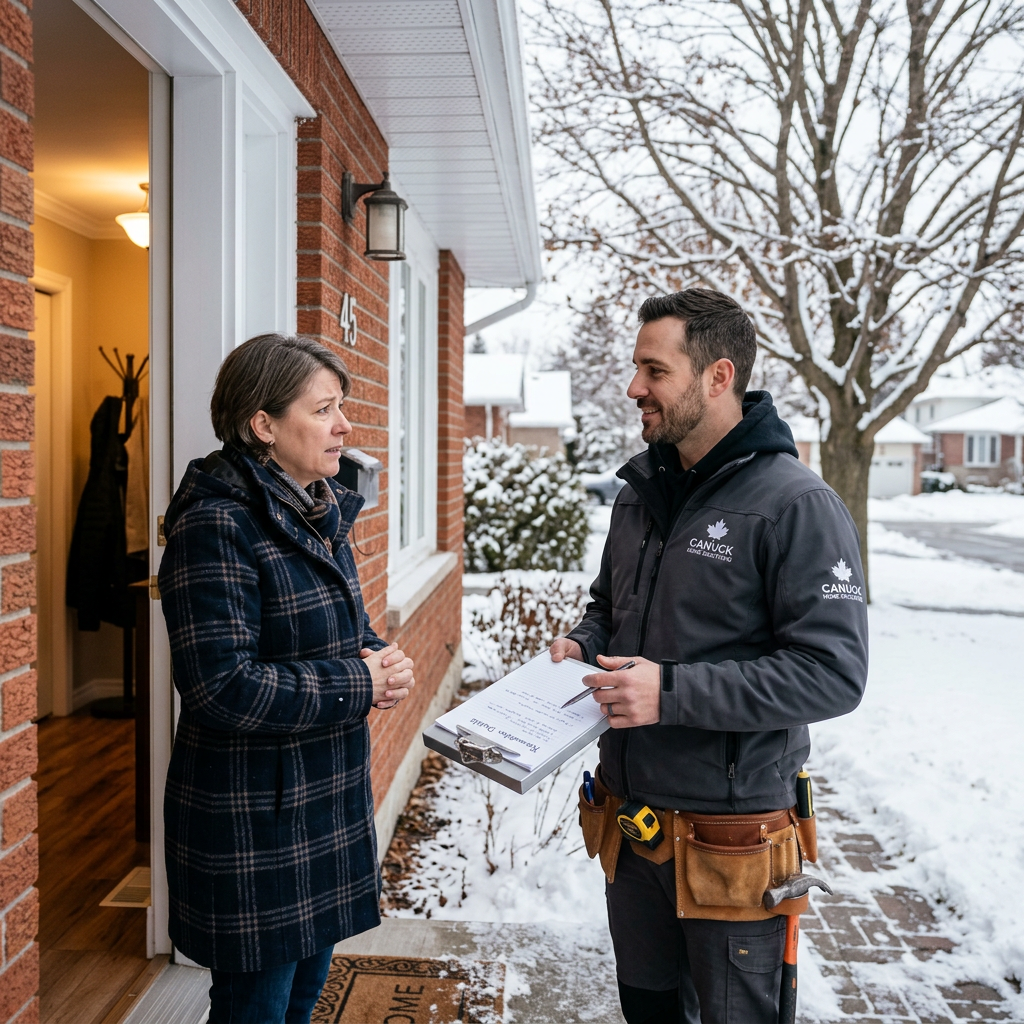
How to Handle Difficult Customers and Keep Your Business
Every tradesperson has been there. You're halfway through a job, the customer is breathing down your neck, and you're wondering if it's worth finishing. Knowing how to handle difficult customers without losing the job is one of the most valuable skills you'll build in this industry.
It's Not Always About the Work
Here's the thing most trade business owners figure out too late. Complaints are rarely just about the cracked tile or the pipe fitting. They're usually about trust, expectations, or stress the customer is carrying from somewhere else.
A homeowner in Mississauga who's been burned by three contractors before you shows up guarded. An Alberta property manager dealing with a busted furnace in January is panicking before you've touched a wrench. Understanding that context won't fix everything, but it stops you from taking things personally.
That shift in mindset alone will save you jobs.
Know the Types of Difficult Customers You'll Run Into
Not all difficult customers are the same. Treating them all the same way is where a lot of contractors go wrong.
The Price Gripper
This person agreed to your quote, then slowly starts questioning every line item. They'll say things like "My neighbour said it should only cost $400" or "Can we skip that part to save money?"
You'll see this a lot in markets like the Greater Vancouver Area or Toronto, where homeowners have sticker shock from dealing with inflated trade quotes. They're not always being cheap. Sometimes they're genuinely confused about what they're paying for.
What to do:
- Break your quote into clear line items before the job starts
- Walk them through what each cost covers in plain language
- If they want to cut something, explain the risk in simple terms, not technical jargon
The Scope Creeper
You quoted to replace a hot water heater. Now they want you to look at the pressure valve, check the pipes in the basement, and "just have a quick look" at the laundry room plumbing while you're there.
This is extremely common in residential work across Ontario and BC. It adds time, it adds cost, and if you don't address it, you'll either do unpaid work or create an awkward confrontation at the end.
What to do:
- Have a written scope of work. Every time.
- When new requests come up mid-job, say: "I can absolutely do that. Let me put together a quick add-on quote so you know what it'll cost."
- Never just say yes and absorb the extra time. It sets a bad precedent.
The Hoverer
They follow you room to room. They question every move. They Google things while you're working and then read you articles.
This one is annoying but manageable. These customers are usually anxious, not malicious.
What to do:
- Give them a task. Ask them to clear a path, hold a torch, or grab something from your van.
- Talk them through what you're doing as you go. Brief updates reduce anxiety.
- If it becomes unsafe or you genuinely can't focus, be honest: "I need a bit of space to concentrate here so I get this right for you."
The After-the-Fact Complainer
The job is done. They paid. Then two weeks later you get a call saying they're not happy. Sometimes it's legitimate. Sometimes it's a case of buyer's remorse or they've been told by someone else that the price was too high.
What to do:
- Go back and look. Don't argue over the phone.
- If it's a genuine defect, fix it fast and without drama. It costs you a bit now and saves your reputation long-term.
- If it's not your fault, document everything. Photos before, during, and after every job. Keep texts and emails. In a dispute, this evidence is everything.
The Conversation Techniques That Actually Work
Lead With Curiosity, Not Defence
When a customer is upset, your first instinct is probably to defend your work. That's understandable. But going straight to defence puts people on the opposite side of the table from you.
Try this instead. Ask them to walk you through exactly what they're seeing. Let them talk. People calm down faster when they feel heard. You might also hear something useful.
Repeat It Back to Them
Once they've explained the issue, summarise it back. Something like: "So what you're saying is the grout colour looks different near the window than the rest of the floor, and you're worried it wasn't sealed properly. Is that right?"
This does two things. It shows you were listening. And it reframes the conversation around a specific, solvable problem instead of general frustration.
Give Them a Clear Next Step
Uncertain situations feel worse than bad situations. If a customer doesn't know what's happening next, they fill the gap with worry.
Always end a difficult conversation with a specific next step. Not "I'll look into it." Instead: "I'll be back Thursday morning at 9am to assess it. If it's a sealing issue on my end, I'll fix it at no charge."
That clarity builds trust even in tense moments.
When to Walk Away
This is the part no one talks about enough.
Sometimes a customer is genuinely impossible. They move the goalposts constantly. They're verbally abusive. They threaten to leave bad reviews before you've even finished. They refuse to sign anything or pay a deposit.
In Ontario, under the Consumer Protection Act, you have rights too. Contracts protect both parties. If a customer refuses to sign a basic agreement, that's a red flag you should take seriously before the first nail goes in.
Walking away early costs you that one job. Staying in a toxic job can cost you weeks of stress, a bad review, and sometimes money you'll never recover.
Signs it's time to walk:
- They've disputed payment before the work is done without a valid reason
- They're threatening legal action or reviews as leverage before anything has gone wrong
- They've been rude or aggressive to you or your crew
- They refuse any written agreement
Be professional. Explain that the job isn't the right fit and, where possible, refund any deposit promptly. Then move on.
Use Systems to Prevent the Problem in the First Place
A lot of difficult customer situations are actually documentation problems. The expectation was never properly set. The scope was fuzzy. Nothing was in writing.
Here's a simple system that works for most residential contractors:
- Send a written quote with a clear scope of work before any job starts
- Require a signed agreement before you begin, even for small jobs
- Take photos before, during, and after every job. Store them somewhere you can find them in 90 days
- Send a brief message when the job is complete confirming what was done and any relevant warranty or follow-up info
- Follow up 5 to 7 days after the job to check in. This catches small issues before they become big ones
This process works whether you're a one-person painting business in Calgary or running a crew of electricians across the Lower Mainland.
Your Online Reputation Is Part of This
A difficult customer who goes online and leaves a one-star review can affect your business for months. In a city like Edmonton or Hamilton where trades work is often found through Google and local directories, reviews matter.
When a bad review hits:
- Respond publicly, calmly, and briefly
- Don't match their tone
- Acknowledge the frustration even if you disagree with the facts
- Offer to take the conversation offline
A calm, professional response often does more for your reputation than the original review hurt it. Other potential customers are reading how you handle conflict.
Keep Records, Keep Your Cool, Keep the Job
Knowing how to handle difficult customers without losing the job comes down to a few things done consistently. Clear communication before the job starts. Written agreements that protect both sides. Professional responses when things get tense. And honest judgment about when a job isn't worth the trouble.
Most difficult customers are just scared, confused, or burned from past experiences. With the right approach, many of those jobs can turn into your best referrals.
Make the Admin Side Easier
One thing that removes friction with customers is having your paperwork sorted before you even show up on site. Onwork is built specifically for home service business owners, helping you send quotes, manage jobs, and keep your client communication in one place. Less back-and-forth, fewer misunderstandings, and a more professional experience for your customers from the first contact. If you want to spend less time chasing paperwork and more time doing the work, it's worth a look.
Disclaimer: It is the user’s responsibility to verify the information in this article and seek professional advice where appropriate. Onwork provides this content for general informational purposes only and does not accept responsibility for decisions made based on it.


