
How to Create Professional Quotes That Win More Jobs
A poorly written quote can cost you the job before you even pick up a tool. Learn how to craft professional, detailed estimates that build trust with homeowners, stand out from the competition, and consistently win you more contracts. From pricing strategies to presentation tips, this guide covers everything home service pros need to know.
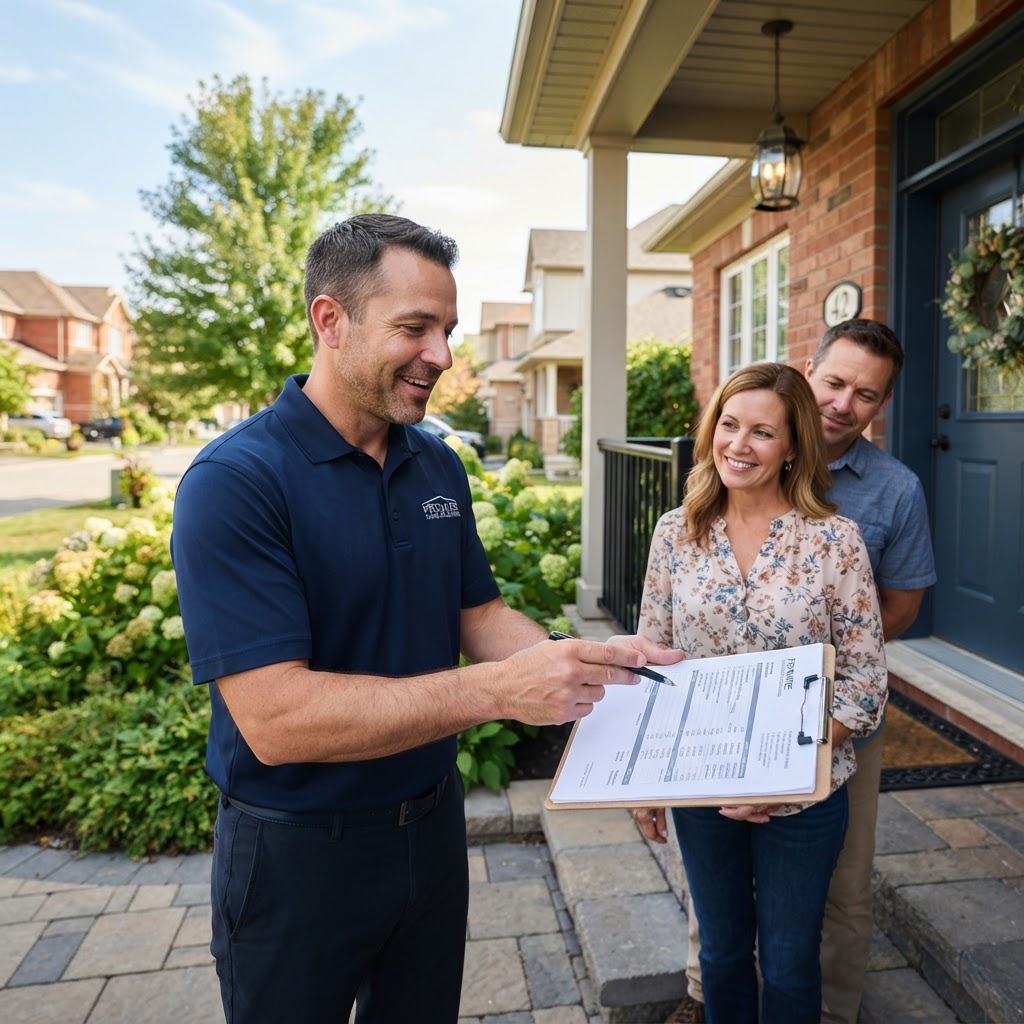
How to Create Professional Quotes That Win More Jobs
Most contractors lose work before they even show up on the job. A sloppy, vague quote tells a homeowner everything they need to know about how you run your business. If you want to win more jobs, learning how to create professional quotes that win jobs is one of the most valuable things you can do.
Why Your Quote Is Actually a Sales Document
A quote is not just a number on a page. It is the first real impression a potential customer gets of how you operate.
Think about it from the homeowner's side. They might be comparing three roofers in Tampa, two plumbers in Houston, or four painters in San Diego. If your quote looks like it was scribbled on a napkin, and your competitor's looks clean and detailed, they are going with your competitor. Even if your price is lower.
Professionalism signals trust. Trust wins jobs.
What a Winning Quote Actually Looks Like
Before getting into the how, let's be clear on what good looks like.
A professional quote includes:
- Your business name, logo, and contact details at the top
- The customer's name and address
- A clear date and quote expiry date (more on this later)
- An itemized breakdown of labor and materials
- A total price in USD, with tax clearly noted if applicable
- Payment terms
- A brief scope of work in plain English
- Your license number where required (California and Florida both require this for contractors)
That is the baseline. Everything below that is where you start winning.
Step-by-Step: How to Create Professional Quotes That Win Jobs
1. Respond Fast
Speed matters more than most tradespeople realize. Studies in the home services industry show that the first contractor to respond to an inquiry wins the job more than 50% of the time.
If someone in Austin or Orlando asks for a quote on Wednesday and you send it Friday, there is a good chance they already booked someone else.
Set a goal to send quotes within a few hours of your site visit. Same day at the latest. Use a mobile app if you have to, and build the habit of quoting while the details are fresh.
2. Write a Clear Scope of Work
This is where most tradespeople fall short. Vague scopes cause disputes, unhappy customers, and unpaid invoices.
Instead of writing:
"Repair roof damage – $1,800"
Write something like:
"Remove and replace 12 damaged shingles on north-facing slope. Install ice and water shield underlayment where required. Re-flash chimney base. Clean up and haul away all debris. Price includes labor and materials."
That second version protects you legally. It also tells the customer exactly what they are getting, which builds confidence.
3. Break Down Your Pricing
Itemized quotes consistently outperform lump-sum quotes when it comes to closing rates. Customers feel more in control when they can see where the money goes.
Here is a simple format that works:
| Item | Description | Cost | |------|-------------|------| | Labor | 2 electricians, 6 hours | $720 | | Materials | Wiring, conduit, junction boxes | $380 | | Permit fee | City of Dallas electrical permit | $95 | | Total | | $1,195 |
This works for HVAC jobs, landscaping, plumbing, painting, you name it. It shows transparency, and transparent contractors get hired.
4. Add an Expiry Date
Always put an expiry date on your quotes. Something like "This quote is valid for 30 days" is standard.
Material costs are unpredictable right now. Lumber, copper pipe, roofing materials, all of it fluctuates. If you quote a deck build in Phoenix in January and a customer calls you in April to accept it, your material costs could be 15% higher. That eats into your margin fast.
An expiry date protects your business and creates urgency for the customer to decide.
5. Include Your Credentials and License Number
This one is especially important in regulated states. In California, all contractors must be licensed by the Contractors State License Board (CSLB). In Florida, licensing requirements are enforced by the Department of Business and Professional Regulation (DBPR). Texas has its own licensing rules depending on the trade.
Put your license number right on the quote. It shows you are legitimate. For homeowners who are nervous about hiring the wrong person, seeing that number is reassuring.
If you have relevant certifications, mention them. NATE certified HVAC tech? Say so. EPA 608 certified? Include it. These details matter to customers who are doing their homework.
6. Use Plain Language
Do not write quotes the way you talk to other tradespeople on a job site. Write them the way you would explain the work to your customer's mum.
Avoid jargon where possible. If you have to use a technical term, explain it briefly. Most homeowners do not know what a T&P valve is, what a fascia board does, or why you need a dedicated circuit.
When they understand what you are doing and why, they trust you more. When they trust you, they hire you.
7. Add a Personal Touch
This does not need to be complicated. A single sentence at the top or bottom of the quote can make a real difference.
Something like:
"Thanks for showing me around your home on Tuesday, John. I have quoted exactly what we discussed and am happy to answer any questions before you decide."
That takes 10 seconds to write. It shows you were listening, you care about their specific job, and you are approachable. Most of your competitors are not doing this. It stands out.
Common Quoting Mistakes That Cost You Jobs
Even experienced tradespeople make these errors regularly.
Quoting too low just to win the job. This one sounds obvious but it is widespread. Underpricing trains customers to expect low prices, attracts the worst kind of clients, and kills your cash flow. Know your numbers and quote accordingly.
Sending a quote with no follow-up. Send the quote, then follow up two or three days later with a quick message or call. Something like, "Hi Sarah, just checking you received the quote okay and if you have any questions." Many contractors never do this. It is free money.
Using the same generic quote for every job. A custom landscaping quote sent to a homeowner in Scottsdale should not look identical to a fencing quote you send in Jacksonville. Tailor it to the specific job. Reference the property, the specific work, the timeline you discussed.
Forgetting to include payment terms. When do you expect payment? Do you require a deposit? What is your policy on late payments? These things need to be in the quote. Do not have that awkward conversation after the job is done.
What to Do After You Send the Quote
Sending it is only half the job.
- Follow up in 2 to 3 days if you have not heard back
- Be available to answer questions quickly, especially via text or email
- If you lose the job, ask why (professionally). Sometimes price is not the issue. Sometimes it is presentation. Feedback is valuable.
- Keep a record of your quotes so you can track your close rate and see where you are winning and losing
Your close rate tells you a lot. If you are quoting 10 jobs and winning 2, something is off, whether that is price, presentation, or follow-up speed.
The Right Tools Make This Easier
Writing professional quotes from scratch every time takes hours you do not have. Templates help, but they only go so far.
The right software lets you build quotes quickly from your phone, keep everything in one place, follow up with customers easily, and convert accepted quotes into invoices without re-entering everything.
If you are still sending PDF quotes you built in Word, or worse, handwritten estimates, it is time to upgrade. Your customers notice. Your competitors already have.
Start Winning More Jobs With Better Quotes
Knowing how to create professional quotes that win jobs is a skill that pays for itself within days. It does not require a big budget or a business degree. It requires clear communication, consistent presentation, and a system that makes it easy to do every single time.
Onwork is built specifically for home service businesses like yours. It lets you create fast, professional quotes from your phone, track them, follow up, and convert them to invoices in a few taps. Whether you are running a crew in Houston, working solo in Miami, or growing your trade business in Los Angeles, Onwork is worth a look.
Try it and see how much time you get back.
Disclaimer: It is the user’s responsibility to verify the information in this article and seek professional advice where appropriate. Onwork provides this content for general informational purposes only and does not accept responsibility for decisions made based on it.


