
How to Create Professional Quotes That Win More Jobs
A winning quote does more than list prices — it builds trust and sets you apart from the competition. Discover proven strategies for creating professional, detailed quotes that convince homeowners to hire you over the other guy. From layout and pricing to follow-up tactics, this guide covers everything contractors and tradespeople need to close more jobs.
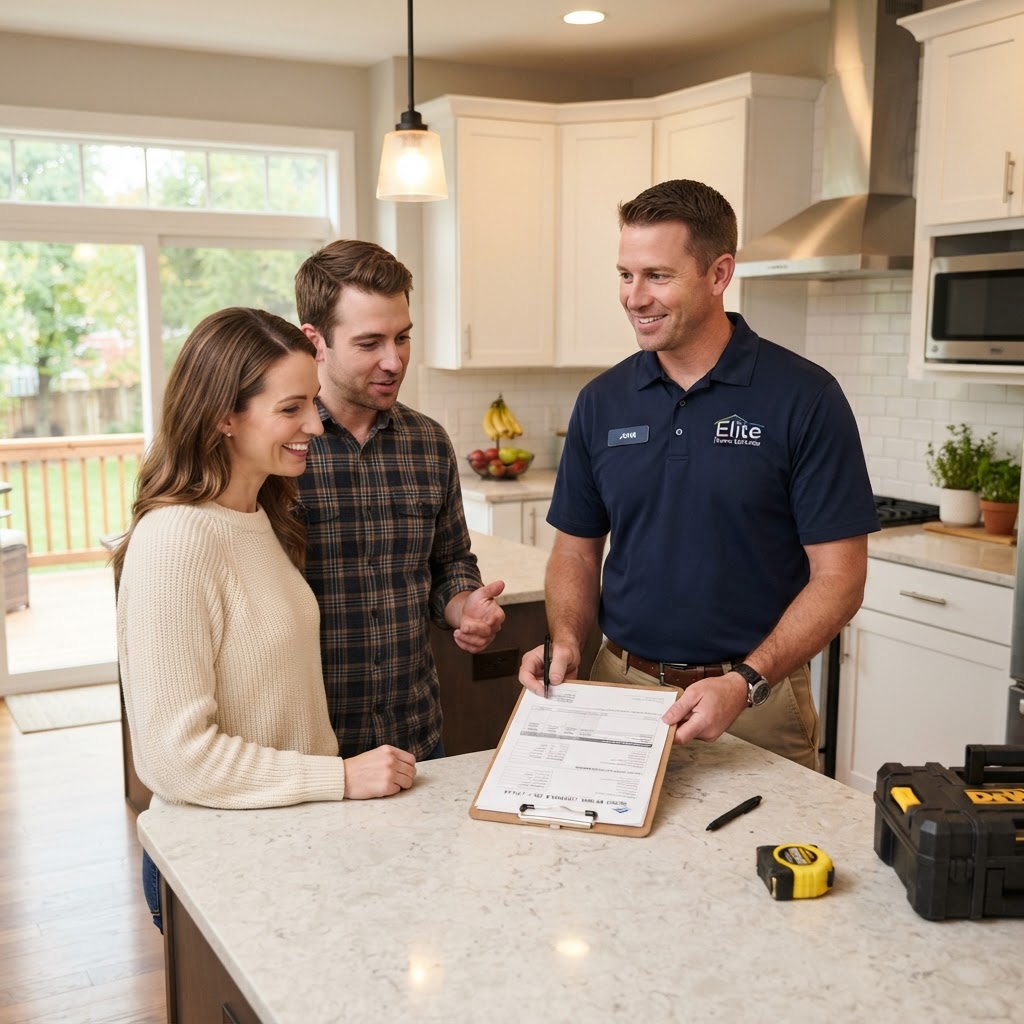
How to Create Professional Quotes That Win More Jobs
A bad quote loses jobs before you even get a chance to show what you can do. It does not matter how good your work is if your quote looks like it was typed on a phone at midnight. Here is what actually works.
Why Your Quote Is Your First Impression
Think about it from the homeowner's side. They are letting a stranger into their house. They are about to hand over real money, sometimes thousands of dollars. They are nervous.
Your quote is often the first professional document they see from you. If it looks sloppy, they assume your work is sloppy. If it is clear and detailed, they feel like they are dealing with someone who knows what they are doing.
That first impression matters more than most contractors realize.
What a Winning Quote Actually Looks Like
Learning how to create professional quotes that win jobs is not complicated, but it does take a bit of thought. Here is what needs to be in every quote you send out.
Your Business Information
Put your business name, phone number, email, and your license number at the top. In states like California, Texas, and Florida, customers can look up your license online. Showing it upfront tells them you have nothing to hide.
If you carry liability insurance, mention it. Something simple like "Fully insured, $1M general liability" builds immediate trust.
A Clear Job Description
Do not just write "electrical work" or "roof repair." Be specific.
A good description sounds like this:
"Supply and install 20 LED recessed lights in living room and hallway. Includes all wiring, drywall patches, and cleanup. Does not include painting."
That one paragraph tells the customer what they are getting and what they are not. It protects you from scope creep. It protects them from nasty surprises.
Itemized Line Items
Break the job down. Labor, materials, and any subcontractor costs should be separate lines where possible.
Here is a simple example for a painting quote in Florida:
- Interior prep and sanding: $450
- Primer (2 coats): $320
- Paint (2 coats, customer-selected color): $680
- Cleanup and touch-ups: $150
- Total: $1,600
Some contractors worry that showing the breakdown gives customers ammunition to haggle. The opposite is usually true. When people can see where the money goes, they trust the number more.
Timeline and Start Date
Customers hate vague answers. Do not say "we will start soon." Say "work begins Monday, March 3rd and takes approximately 3 days."
If you cannot commit to an exact date yet, give a realistic range. "We aim to start within 10 business days of deposit receipt" is still better than nothing.
Payment Terms
Be upfront about how you want to be paid. A common structure for mid-sized jobs:
- 30% deposit on signing
- 30% at project midpoint
- 40% on completion
For smaller jobs under $500, many tradespeople in Texas and California simply ask for full payment on completion. Either way, write it down. Verbal agreements cause arguments.
Also state your accepted payment methods. Cash, check, Zelle, credit card, whatever you take. Do not make the customer ask.
Quote Expiry Date
Put an expiry on your quotes. Material prices change. Your schedule fills up. A quote that says "valid for 30 days" is totally standard and it also creates a subtle nudge for the customer to make a decision.
Terms and Conditions
Keep it plain and short. You do not need to write a legal document. A few key points:
- What happens if the customer changes the scope mid-job
- Who supplies materials (you or them)
- What your warranty covers
- What voids the warranty
One or two short paragraphs is enough for most residential jobs.
Common Quoting Mistakes That Cost You Jobs
Being Too Vague
"Plumbing repairs: $850" tells the customer nothing. They will either not trust it or call someone else who gave them more detail.
Underquoting to Win Work
Some contractors lowball just to get the job, then hit the customer with variations later. This might work once. It will not get you repeat business or referrals, which is where the real money is.
Price the job properly. If you lose it, fine. A job that loses you money is worse than no job at all.
Sending Quotes Too Slowly
If a homeowner in Houston calls three electricians on Monday and you send your quote on Thursday, you have probably already lost. Same-day or next-day quotes are a real competitive advantage.
No Follow-Up
Send the quote and then follow up once if you have not heard back within three or four days. A quick message like "Just checking in on the quote I sent for your kitchen renovation, happy to answer any questions" is not pushy. It shows you care about the work.
Most customers appreciate the follow-up. Many book the contractor who checked in, not the one who sent the cheapest quote.
How to Price Correctly
This is a topic on its own, but here are the basics.
Know your costs before you quote. Your real costs, not just materials.
- Labor: your time plus any crew
- Materials with a markup (typically 10-20% is common)
- Overhead: truck, insurance, tools, phone, software
- Your own salary and profit margin
A lot of tradespeople forget overhead entirely. If you are an HVAC technician in California running a one-person operation, your truck, insurance, and tools might cost you $3,000 to $4,000 a month before you turn a single wrench. That has to come from somewhere.
Do not price to "beat everyone." Price to run a sustainable business.
Presentation Matters More Than You Think
A quote sent as a PDF looks more professional than a text message. A quote with your logo looks better than one without. A quote with a photo of a similar past project is even better.
You do not need to overthink this. Clean, readable, and organized beats fancy every time. Use a consistent font, line up your numbers, and make sure there are no spelling errors. Small things add up.
The Follow-Up Call
After you send a quote, especially for a bigger job, call the customer. Not to pressure them, just to check they received it and to offer to walk through it with them.
This does two things. First, it shows you are responsive and professional. Second, it gives you a chance to handle objections before they go with someone else.
If they say your price is higher than another quote, do not panic and drop your price immediately. Ask what the other quote included. Often the cheaper quote left something out. If your scope is bigger or your materials are better, explain that calmly. Some customers will see the value. Some will not, and that is okay.
Digital Quoting vs Paper Quotes
Paper quotes are mostly gone. Most customers prefer to receive quotes by email or through an online link where they can approve and sign digitally.
Digital quotes also let you track whether the customer opened the quote. That tells you if your follow-up timing needs to change. If someone has not opened the email after three days, your follow-up message can be "just checking the quote landed okay" which feels natural rather than salesy.
A Simple Quote Checklist
Before you send any quote, run through this:
- [ ] Business name, contact info, and license number at the top
- [ ] Specific job description
- [ ] Itemized costs with labor and materials separated
- [ ] Start date or estimated timeline
- [ ] Payment terms and accepted methods
- [ ] Quote expiry date (30 days is standard)
- [ ] Basic terms and conditions
- [ ] Your signature or business stamp
That is it. Tick all those boxes and your quote will look more professional than most of your competitors.
Consistency Wins Over Time
One great quote is good. Sending professional quotes every single time is what builds a reputation. Customers talk. In a city like Orlando or Dallas, word of mouth moves fast. Being known as the contractor who is clear, professional, and easy to deal with is worth more than any ad you could run.
Get the quoting process right, systematize it, and do it consistently. That is how you win more jobs without having to compete purely on price.
If you want to speed up this whole process, Onwork is built specifically for home service businesses. It lets you create, send, and track professional quotes in minutes, so you can focus on the actual work. Worth checking out if you want to stop losing jobs to contractors who just look more organized than you.
Disclaimer: It is the user’s responsibility to verify the information in this article and seek professional advice where appropriate. Onwork provides this content for general informational purposes only and does not accept responsibility for decisions made based on it.


