
Build a Brand That Attracts Premium Clients in the UK
Standing out as a tradesperson or contractor in the UK means more than doing quality work — it means building a brand that commands trust and premium rates. Discover practical strategies to position your home service business as the go-to choice for discerning clients. From your online presence to how you present on-site, learn what separates the best from the rest.
Build a Brand That Attracts Premium Clients in the UK
Most tradespeople in the UK are brilliant at the actual work. They can rewire a house, replace a boiler, or lay a perfect patio. But they're losing jobs to competitors who are, frankly, less skilled. The difference isn't the quality of the work. It's the brand.
Building a brand that attracts premium clients isn't about being flashy or spending a fortune on marketing. It's about making the right people trust you before you've even picked up the phone.
Why Your Brand Is Losing You Money Right Now
Think about the last time you quoted a job and lost it on price. The client went with someone cheaper. That's not a pricing problem. That's a brand problem.
When someone in Manchester needs a new heating system or a homeowner in Birmingham wants their kitchen rewired, they're not just buying a service. They're buying confidence. They're buying the feeling that it'll be done right, first time, without drama.
If your brand doesn't communicate that, you're stuck competing on price. And competing on price is exhausting.
Premium clients, the ones who pay £4,000 for a landscaping job without flinching, they don't spend an hour comparing quotes. They find someone they trust and they book them. Your job is to become that person.
What "Premium Brand" Actually Means for Tradespeople
It doesn't mean a logo that cost £800. It doesn't mean a glossy website with stock photos of tools.
It means:
- You look professional at every touchpoint
- Clients feel looked after before, during, and after the job
- Your reputation is so strong that people come to you already sold
That's it. No mystery to it.
The Three Things Premium Clients Actually Judge You On
Before someone hands over serious money, they're quietly asking themselves three questions:
- Does this person seem credible? Are there reviews, photos, qualifications?
- Do they communicate well? Did they reply quickly, send a proper quote, explain things clearly?
- Will I feel stupid if something goes wrong? Meaning, are they established and accountable?
Your brand needs to answer all three before they even speak to you.
Step 1: Sort Your Online Presence First
Your Google Business Profile is your most valuable free asset. Most tradespeople either haven't claimed it or set it up five years ago and never touched it since.
Go update it today. Add recent photos of completed work. Make sure your service area covers the right postcodes. If you're based in London, specify whether you cover North London, South London, or both. Vagueness loses you jobs.
Your website doesn't need to be complicated. But it does need to do a few specific things:
- Show real photos of your work, not stock images
- Have a clear list of services with some detail on each
- Display accreditations prominently (Gas Safe, NICEIC, TrustMark, whatever applies to your trade)
- Make it dead easy to get in touch
One thing a lot of UK tradespeople miss: put your Companies House registration number on your website if you're a limited company. It takes two seconds and immediately adds legitimacy. Same with your VAT number if you're VAT registered.
Step 2: Reviews Are Your Most Powerful Branding Tool
A plumber in Birmingham with 94 Google reviews at 4.9 stars is not competing with a plumber who has 11 reviews. There's no contest.
Reviews do the selling for you. They tell the story of every job you've completed and every client you've looked after. They answer the credibility question before it's even asked.
Here's how to get more of them without it being awkward:
- Ask at the end of every job while the client is still happy and you're still there
- Send a follow-up text or email the next day with a direct link to your Google review page
- Make it easy. Don't ask them to hunt for where to leave a review
Fifty good reviews will change your business more than any amount of van signage or leaflet drops. That's not an exaggeration.
Responding to Reviews Matters Too
Reply to every review. Good ones and bad ones. For positive reviews, a short genuine response is fine. For negative ones, respond calmly and professionally. Potential clients read your responses. A measured reply to a complaint actually builds trust.
Step 3: Your Quotes and Invoices Are Part of Your Brand
This is one most tradespeople completely overlook.
If you're sending a quote as a blurry photo of a handwritten note, you are telling the client exactly how you run your business. Premium clients notice this stuff.
A clean, itemised quote with your logo, your contact details, your payment terms, and a clear breakdown of work shows professionalism. It shows you're organised. It shows you're the kind of tradesperson who won't disappear halfway through a job.
The same goes for invoices. A proper invoice with your HMRC-compliant details, a unique invoice number, and clear payment terms looks legitimate. It should look legitimate because you are legitimate.
Step 4: First Impressions Before You Even Start Work
The way you show up matters. This isn't about being posh. It's about being consistent.
A few small things that make a big difference:
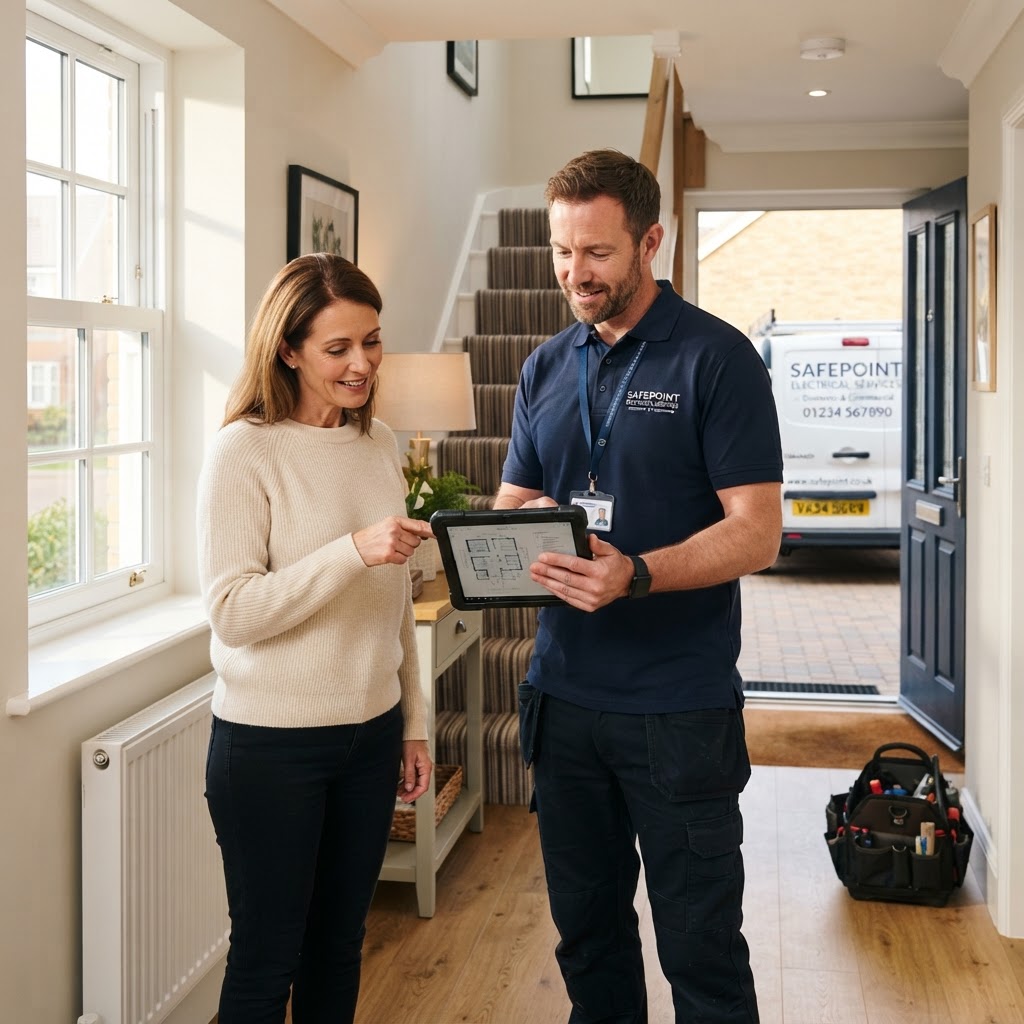
- Branded workwear. Even a branded polo shirt and a clean pair of work trousers signals professionalism. It costs next to nothing.
- A tidy van. You don't need a new van. But a van with your logo on it that isn't covered in mud and rattling with loose tools sends a message.
- Confirmation messages. Text the client the evening before to confirm your arrival time. Almost no tradespeople do this. The ones who do are remembered.
These things cost you almost nothing. But they shift how clients perceive you, and they make word-of-mouth referrals happen faster.
Step 5: Specialise to Stand Out
Here's something counterintuitive. Trying to appeal to everyone actually makes you less appealing to premium clients.
The electrician who says "all domestic and commercial work" is harder to remember than the electrician who says "specialist EV charger installations and home automation in South Manchester."
Niching down, even partially, does two things. It makes you the obvious choice for a specific type of client. And it gives you permission to charge more because you're a specialist, not a generalist.
Think about what you genuinely do best and who pays the most for it. High-end bathroom renovations. Commercial deep cleans. Period property restoration in London. Whatever it is, lean into it on your website, your social media, and in how you talk about yourself.
Step 6: Social Media Done Simply
You don't need to post every day. You don't need to be on TikTok if that's not your thing.
But before and after photos on Instagram or Facebook, posted a couple of times a week, work incredibly well for trades. They show your work. They build a record of what you can do. And they reach people at exactly the moment they're thinking "I need that done."
Caption them with the location and the type of work. "New flat roof installation in Didsbury, Manchester" is better than "Another job done!" The first one gets found. The second one doesn't.
Putting It All Together
Building a brand that attracts premium clients isn't one big move. It's a bunch of small, consistent things done well over time.
Here's a simple checklist to start with:
- Update your Google Business Profile this week
- Ask your last five clients for a Google review
- Create a proper quote and invoice template
- Put your accreditations on your website
- Post three before and after photos on Facebook or Instagram
- Add your company registration details to your website
Do those six things and you'll already look more professional than 80% of your competition.
The Long Game
The tradespeople doing well in London, Manchester, Birmingham, the ones turning down work because they're booked solid three months out, they didn't get there overnight. But they did get there by taking their brand seriously before they felt like they needed to.
Premium clients don't go looking for the cheapest option. They go looking for someone they can trust. Be that person on paper, online, and in person, and the pricing conversations get a lot easier.
If you want to make the day-to-day side of running a professional trade business easier, including sending clean quotes, managing invoices, and keeping on top of jobs, take a look at Onwork. It's built specifically for home service businesses and gives you the tools to look as professional as the work you deliver.
Disclaimer: It is the user’s responsibility to verify the information in this article and seek professional advice where appropriate. Onwork provides this content for general informational purposes only and does not accept responsibility for decisions made based on it.


